

Tricks to Spot Genuine Leather Handbags in Australian Stores
You're standing in a store holding two bags, labelled "leather handbags." One costs $150, the other $450. They look similar. Feel similar. The cheaper one even has that new leather smell.
Three months later, the $150 bag is peeling at the edges. Corners are cracking. The "leather" was bonded scraps coated in polyurethane. You've been fooled. There are many Australian stores that market fake pieces as genuine women's leather handbags.
To not let that happen with you, here's how to spot the real thing before handing over your money.
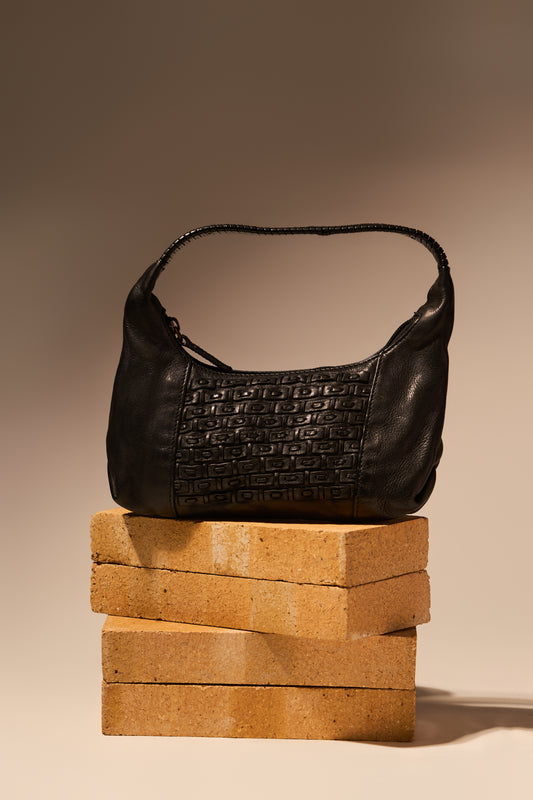
The Grain Pattern Never Lies
Real leather has irregular grain patterns. Run your finger across the surface. You'll feel slight variations, natural marks and tiny imperfections. These inconsistencies prove the material came from an animal hide, not a factory mould.
Fake leather? Perfectly uniform. The grain pattern repeats exactly every few centimetres because it was stamped by a machine. Hold the bag at an angle under store lighting. Genuine leather reflects light unevenly due to natural texture variations. Synthetic materials create a consistent, plastic-looking shine.
|
Leather Type |
Grain Pattern |
What You'll See |
|
Full-grain |
Completely natural |
Unique marks, slight variations, irregular texture |
|
Top-grain |
Lightly corrected |
Subtle variations, some natural character remains |
|
Bonded leather |
Artificial stamping |
Perfect repetition, uniform appearance |
|
Faux leather |
Machine-stamped |
Identical patterns, plastic-like consistency |
The Smell Test Works Every Time
Genuine leather handbags that Australia stores sell have a distinct earthy, slightly musty smell. It's organic. Natural. Sometimes described as "rich" or "warm."
Synthetic bags smell like chemicals, plastic or have an artificial "leather scent" added. Some manufacturers spray fake leather scent to fool buyers, but it fades within weeks. Real leather smell lasts for years.
Smell the bag's interior and hidden seams. These areas aren't treated with scent additives. If it smells like vinyl, rubber or has a sharp chemical odour, run.
Look at the Edges
Here's where fakes always fail. Flip the bag over. Examine the edges where the leather was cut. Real leather shows fibrous layers. You'll see the hide's natural construction, almost like compressed threads.
Synthetic edges look smooth and plastic. Sometimes they're painted to hide the fabric backing underneath. Scratch an edge lightly with your fingernail. Real leather won't flake or reveal different colours underneath.

Womens leather handbag manufacturers in Australia who use genuine materials don't hide edges. They finish them properly with edge paint or natural burnishing. Cheap fakes often fold edges over or cover them with binding because the cut edge would expose the truth.
The Flexibility and Weight Balance
Pick up the bag. Real leather has substantial weight but moves fluidly. It drapes naturally, folds softly and feels alive in your hands. The material responds to movement.
Fake leather either feels too light or unnaturally stiff. Bend a corner gently. Genuine leather creases naturally and returns to shape. Synthetics crease sharply with visible white stress lines that become permanent damage.
Temperature matters too. Real leather adjusts to room temperature and warms when touched. Synthetic materials stay cold regardless of handling.
Labels Mean Something
A bag marked "genuine leather" must be real animal hide. Vegan leather, PU leather or leatherette all these legally signal synthetic materials.
Read tags very carefully.
- Leather trim - means only small parts are genuine.
- Bonded leather - sounds impressive, but indicates leather scraps glued together with polyurethane.
Look for full-grain leather or top-grain leather labels on leather handbags that Australia retailers stock. These terms indicate quality. Vague descriptions like premium material or luxury finish without specifying the leather type should be avoided. Strictly!
The Water Drop Test
Real leather absorbs small amounts of moisture. Place a tiny water drop on an inconspicuous area. Genuine leather darkens slightly as it absorbs water over 10-15 seconds. The drop doesn't sit on top like a bead.
Synthetic leather repels water completely. The drop sits on the surface, looking like mercury on glass. Some treated real leathers are water-resistant, but even these show slight absorption after prolonged contact.
Construction Quality Reveals Truth
Examine stitching closely. Real and handmade leather handbags in Australia feature tight, even stitching with strong thread. Seams lie flat. Corners meet precisely.
Cheap fakes use a weak thread that's already fraying in the store. Stitching looks rushed with uneven spacing and loose ends. Hardware feels very flimsy because manufacturers cut costs everywhere.
Quality leather goods use metal hardware that's substantial and operates smoothly. Plastic hardware or lightweight metal that feels hollow indicates cost-cutting throughout production.
Finally, Trust Your Instincts and Knowledge
Leather handbags that Australia buyers invest in shouldn't need replacing every year. Real leather bags last decades with basic care. They soften with use, darken naturally and acquire individual character. All that makes them exclusively yours.
When shopping for womens leather handbags in Australia, remember this simple rule: if it seems too perfect, too uniform, too cheap or too good to be true, it probably isn't genuine leather.
Find Real Leather Worth Buying
Bark & Bison specialises in full-grain leather handbags that Australian buyers trust. Every bag shows natural grain variations, ages authentically and holds up to daily use. The collection includes totes, crossbody bags and shoulder styles made from leather that softens over time instead of falling apart. Contact us to know more details.
FAQs
Genuine leather comes from animal hides with natural variations, scars and growth marks accumulated during the animal's life. Full-grain leather preserves these authentic imperfections, proving the material is real.
Wipe with a slightly damp cloth for regular cleaning. Avoid harsh chemicals or household cleaners that strip natural oils. For deeper cleaning, use a leather-specific cleaner and conditioner sparingly.
Bark & Bison bags are handcrafted using ethically sourced full-grain leather with designs inspired by Australian landscapes, combining traditional leatherworking techniques with practical modern functionality. Each bag is built to last decades rather than seasons.
Bark & Bison exclusively uses full-grain leather, the highest quality leather grade that includes the complete outer layer of the hide with all natural markings intact.
Bark & Bison bags are designed to last decades with proper care. The full-grain leather construction and quality craftsmanship ensure durability through daily use. The leather actually improves with age, becoming softer and developing a unique patina.